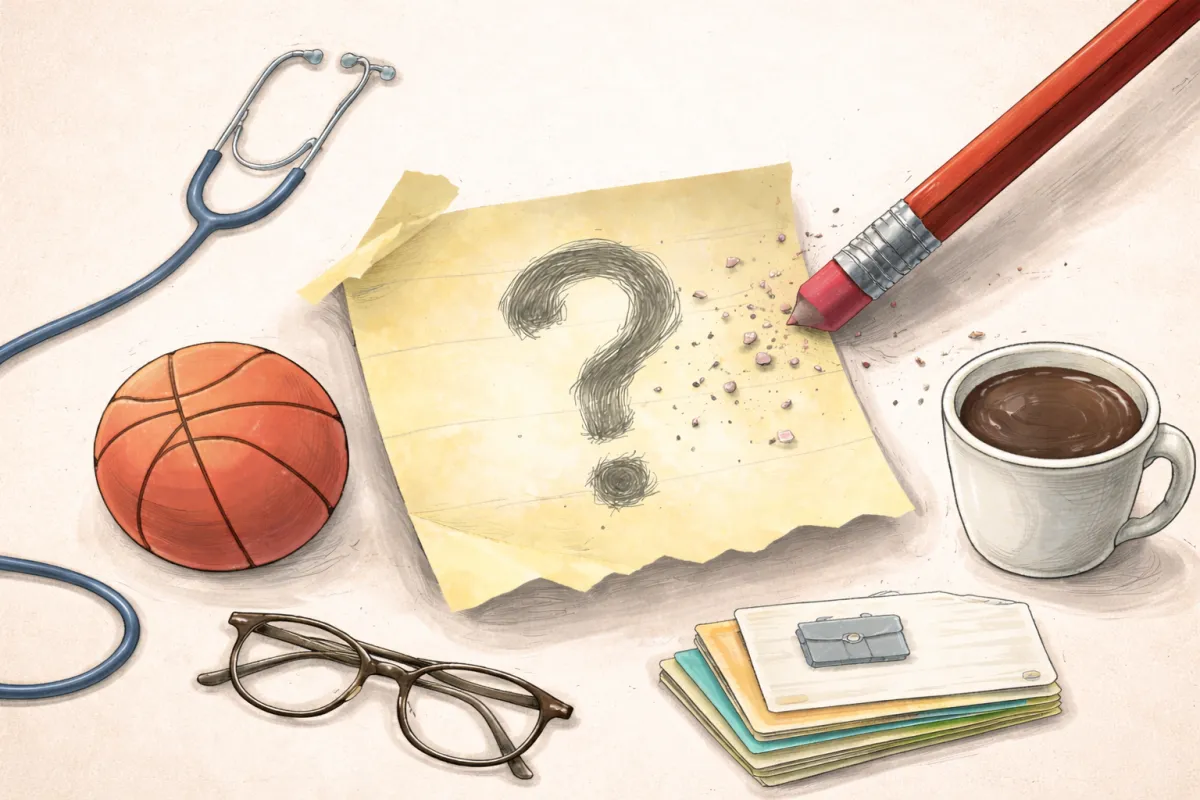
Are Identities Useless?
“Everyone, say your name and one interesting fact about you.”
I’ve got sweaty palms as everyone has their identity so perfectly polished.
“My name is Sammy, and tomatoes are my favorite fruit.”
“My name is Kyle, and I play basketball.”
I can feel the tension in my neck.
My turn is coming up soon.
As I frantically sift through the mental folder of all the possible facts about myself, there are blank papers.
Time’s up.
As my heart pounds, I say, “My name is Amir, and my birthday is Jan 1st.”
A very subtle moment of confusion strikes the air, but quickly moves on to the next student.
I’ve always struggled to answer that question.
How can I possibly pick one thing to represent me? How can everyone do it so easily?
I’ve always found identity a tricky concept.
As I’ve grown older, I’ve come to know why…
The Identity Paradox
Humans are natural pattern-recognizers.
We need identities to provide structure to our experiences.
We expect doctors to act in a certain way. Lawyers too. Same thing for students. And the list goes on.
When you create an identity, you are creating a social contract between yourself and the world.
Money, co-workers, family, and culture reinforce that identity.
It can feel amazing when it fits like a glove. Being understood is one of the most sought-after feelings in the world.
You won’t see it as a problem as you coast through life.
That is, until something shifts.
Divorce, career changes, and even new hobbies present a fundamental problem.
“I don’t do that.”